

Ad creative
6 Black Friday Ad Ideas With a Clear Offer
By Memes.ai
Updated September 6, 2026 · 4 min read
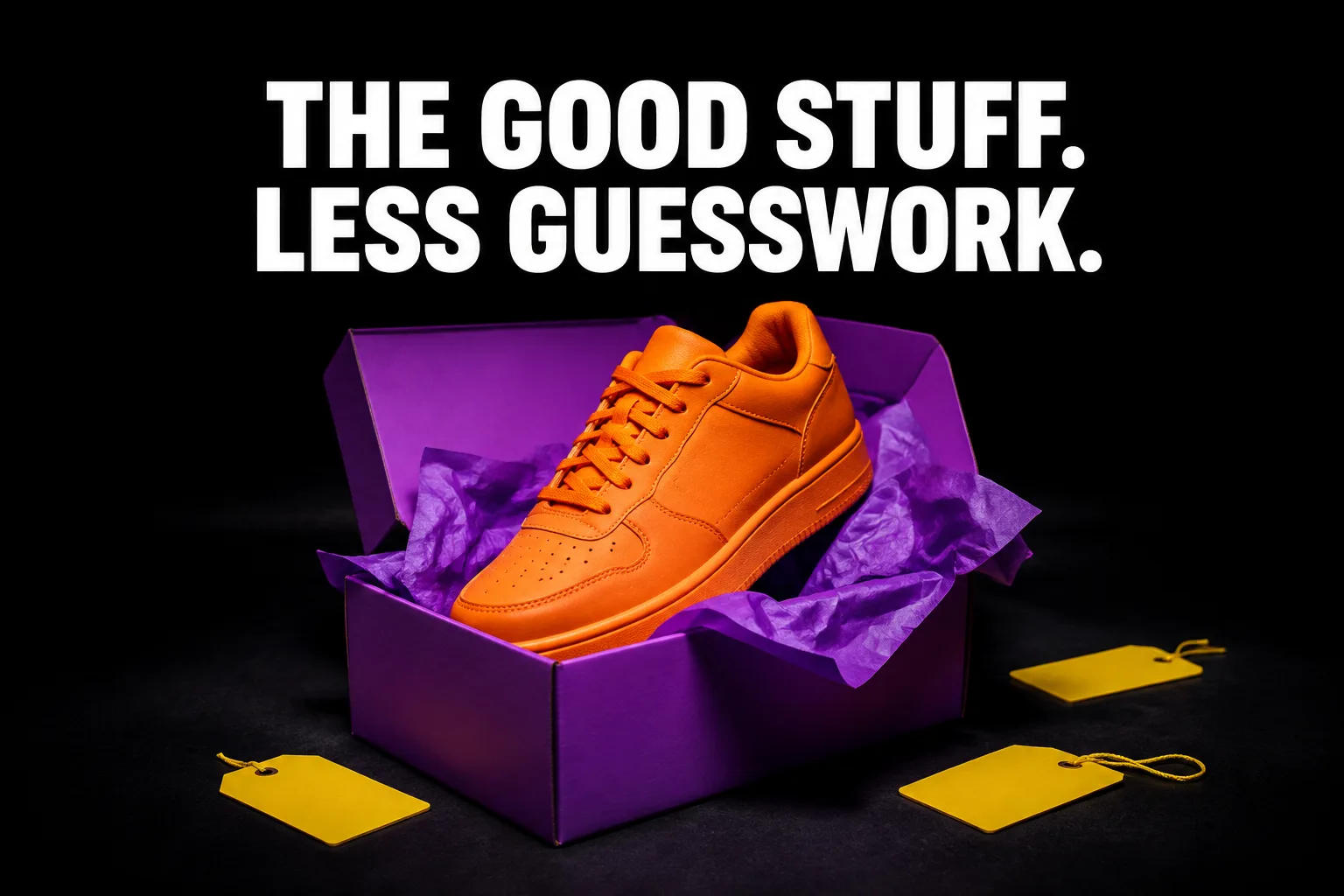
A Black Friday creative needs to make the product, offer, and conditions easy to understand. A louder design cannot repair a confusing promotion. These original concepts help you plan the message before the seasonal rush, using only real prices, dates, and availability.
What you’ll take away
- Define the actual promotion before designing the ad.
- Keep dates and exclusions consistent across the journey.
- Give shoppers a useful way to choose.
1. The single-product offer
The idea — Feature one product with a short headline and the actual promotion.
Why it helps — One focal item makes the message easier to understand at a glance.
Make it your own — Use the current price and accurate comparison basis. Keep essential conditions readable.
2. The category choice guide
The idea — Present a small selection organized by use, such as commute, travel, and everyday carry.
Why it helps — A guide can help shoppers navigate a sale without opening every product.
Make it your own — Link to the matching category and show only available items. Avoid calling everything a perfect gift.
3. The bundle explanation
The idea — Show each included item and the task the bundle supports.
Why it helps — The shopper can evaluate the package instead of guessing from a decorative box.
Make it your own — Verify the contents and any savings comparison. Separate optional accessories.
4. The real deadline reminder
The idea — Use a simple reminder as a genuine offer approaches its end.
Why it helps — Timing is useful when it reflects an actual decision deadline.
Make it your own — Use the real date and time zone. Do not reset a supposedly final countdown.
5. The gift-selection question
The idea — Ask ‘For the desk or the weekend?’ and show two relevant options.
Why it helps — A bounded choice gives the collection a practical structure.
Make it your own — Explain the difference and link to the exact items. Avoid unsupported delivery guarantees.
6. The post-click reassurance
The idea — Answer shipping, return, or availability questions in a supporting creative.
Why it helps — Purchase conditions matter alongside the headline offer.
Make it your own — Use the current policy and direct shoppers to full details. Check it again before scheduled publication.
Put it into practice
Audit the offer before the artwork
Write down the item, normal comparison basis if used, sale price, start and end, exclusions, stock limitations, and destination. Make a second person read only that sheet and describe the offer back. Resolve any ambiguity before putting a discount in an image that is difficult to update.
Common questions
How should I adapt these examples?
Keep the structure, then replace the fictional details with your own audience, accurate offer, and real next step. The image and destination should tell the same story.
How do I decide whether the content worked?
Choose the intended action before publishing, then review relevant responses and downstream behavior. Views alone do not establish that a business goal was achieved.
Turn the brief into your own creative
Use the reusable brief with your actual product or service to develop an original creative concept.
Your starter brief
Replace the brackets with your own details.
Create three Black Friday ad concepts using this confirmed offer: [offer, dates, exclusions, products]. Include one product card, one choice guide, and one reminder. Give headline, supporting copy, visual brief, and CTA. Do not invent discounts, scarcity, reviews, or delivery promises.