
Ad creative
8 Facebook Ad Examples and How to Adapt Them
By Memes.ai
Updated September 6, 2026 · 4 min read

An ad example is useful when you can explain the audience, the promise, and the evidence. The concepts below are original fictional examples, not a ranking of proven campaigns. Use them to build a clearer brief for your own product and test the resulting creative.
What you’ll take away
- Study the message structure rather than copying a competitor.
- Support the promise with something the viewer can see.
- Judge an ad against its objective and destination.
1. The situation-led product ad
The idea — An orange backpack sits in the rain: ‘Rain happens. Pack for it.’
Why it helps — The scene makes the intended use clear before the viewer reads a feature list.
Make it your own — Use a real product photo and only weather claims supported by its specifications. Link to the exact model.
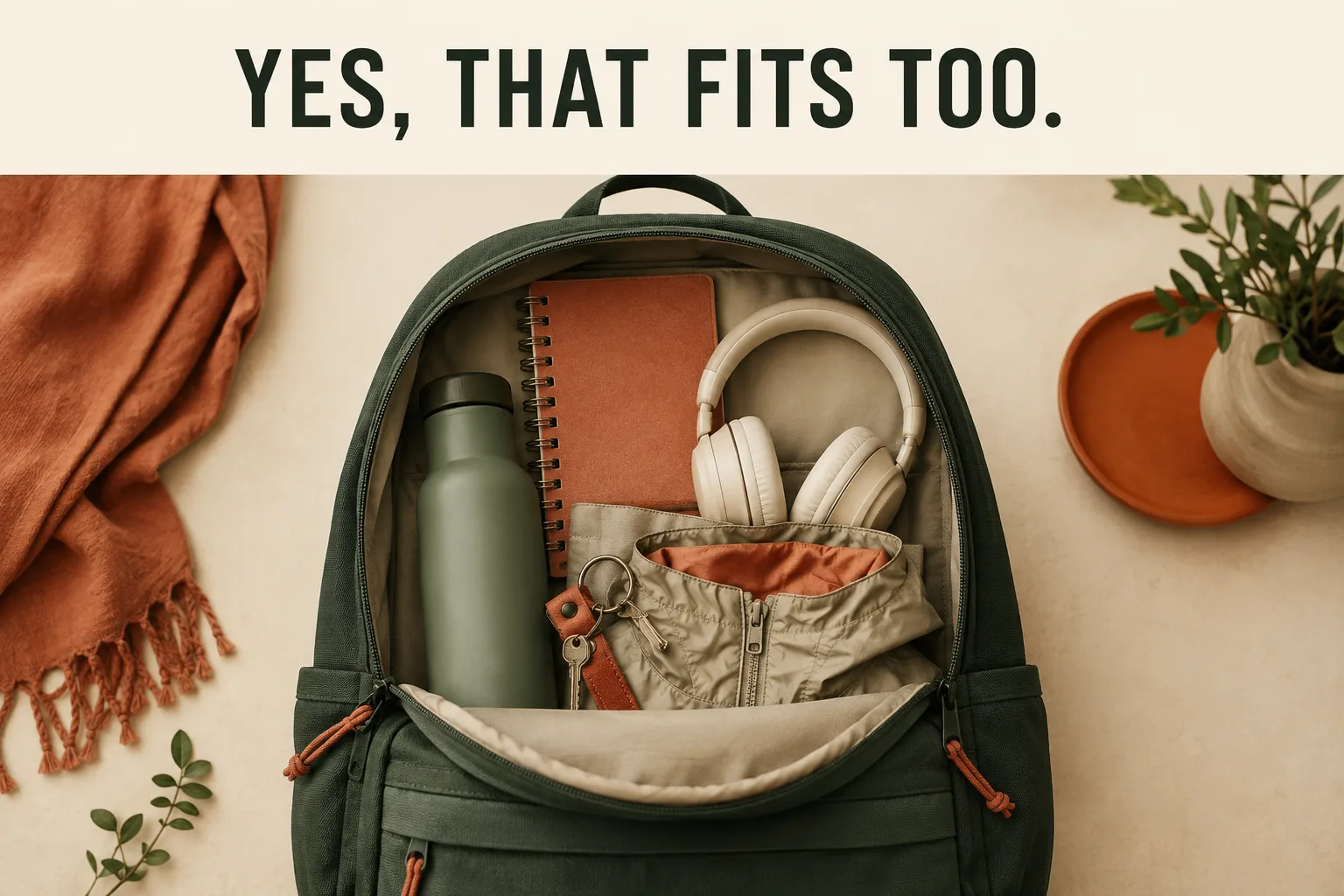
2. The visible feature demonstration
The idea — A bag opens to show the laptop compartment and reachable keys.
Why it helps — A demonstration turns an abstract organization benefit into an observable detail.
Make it your own — Show the actual packing arrangement, then explain the dimensions. Avoid making the interior look larger than it is.
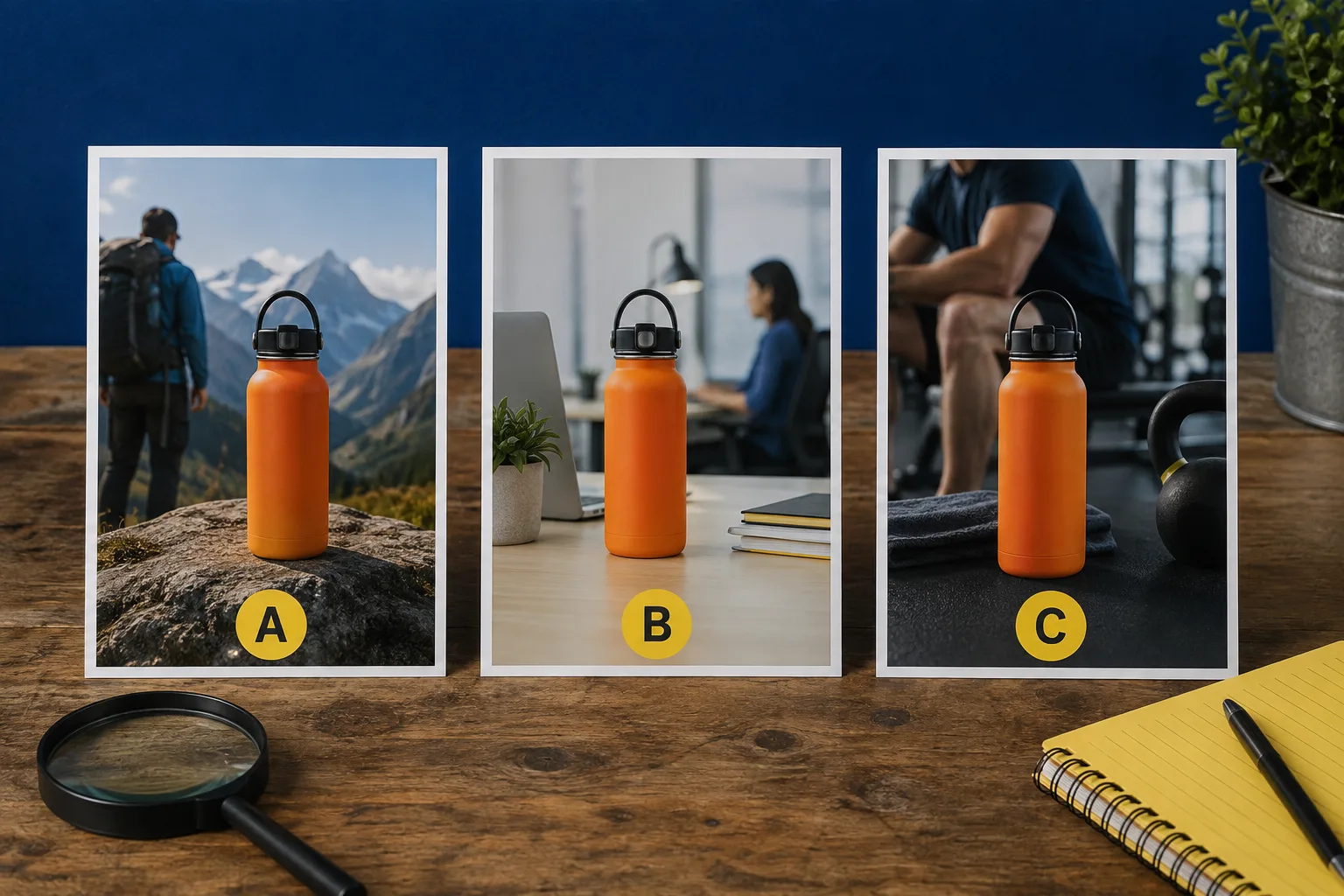
3. The choice helper
The idea — Two desk lamps appear with the line ‘Reading corner or work desk?’
Why it helps — A concrete choice can lead into a collection without pretending one item suits everyone.
Make it your own — Describe the relevant difference in size or adjustment. Send each option to a page that preserves the choice.
4. The problem-and-process ad
The idea — A cluttered drawer is followed by a simple organizer in use.
Why it helps — The product gets a clear role in an ordinary problem.
Make it your own — Keep the comparison honest: the same drawer, the same items, and no hidden storage outside the frame.
5. The founder explanation
The idea — A maker explains one reason they designed a wider handle.
Why it helps — The person adds context that a product image cannot deliver alone.
Make it your own — Use a real founder and a true decision. Keep the product visible while they explain the tradeoff.
6. The timely collection
The idea — A weekend packing scene introduces a travel collection.
Why it helps — An upcoming use case gives a viewer a reason to consider several related items.
Make it your own — Use genuine availability and a collection page that contains every featured item.
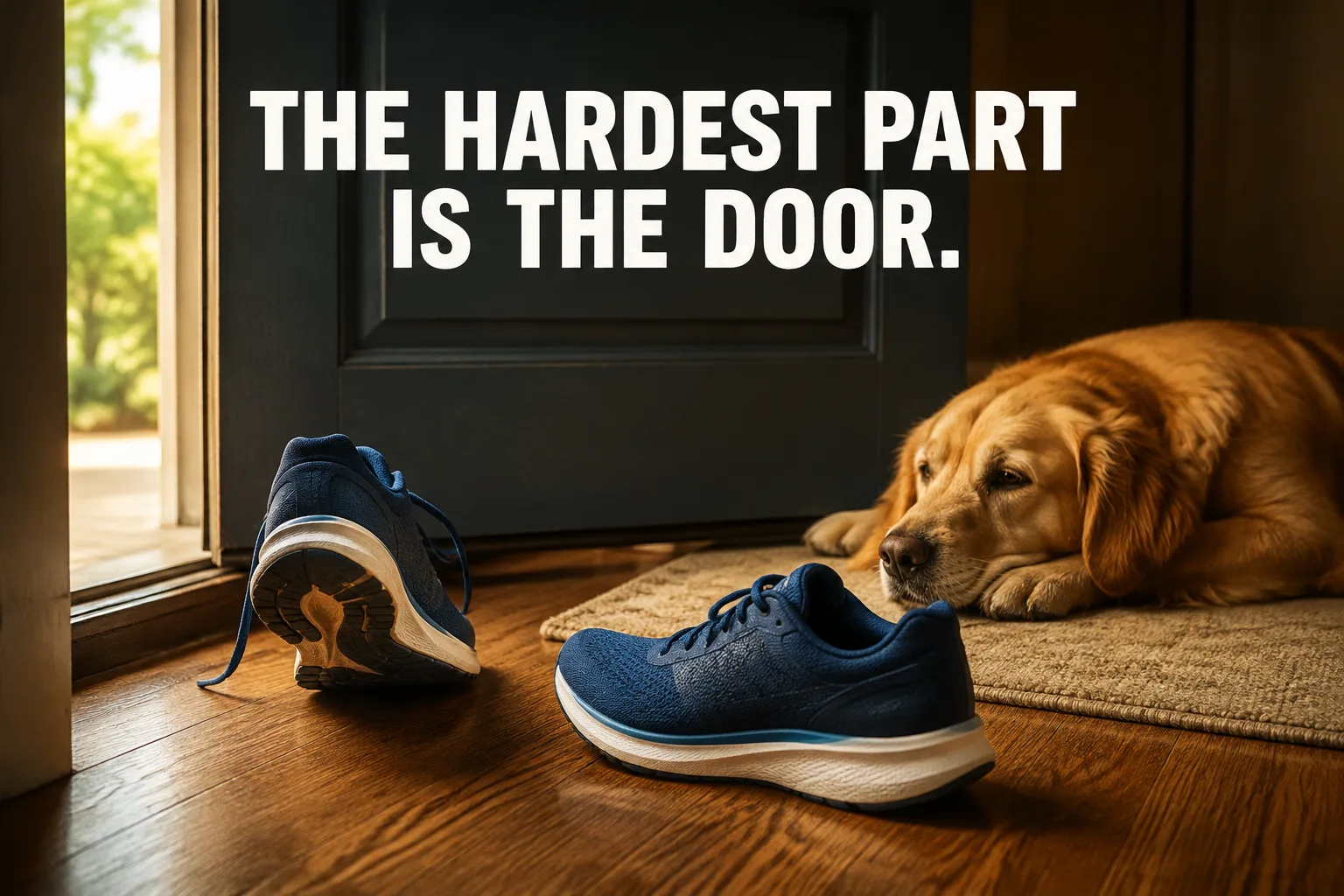
7. The original customer-moment meme
The idea — A person plans to pack light beside a comically overfilled suitcase.
Why it helps — A relatable moment can introduce a practical product without an unrelated joke.
Make it your own — Resolve the same problem in the follow-up copy. Test whether the joke attracts the intended customer.
8. The clear offer card
The idea — A simple product image accompanies an actual promotion and its conditions.
Why it helps — A viewer can understand the offer without decoding decorative copy.
Make it your own — State the real dates, exclusions, and destination consistently. Do not invent scarcity or a previous price.
Put it into practice
Reverse-engineer a useful example
Write four lines for any ad you study: who it is for, what situation it addresses, what evidence supports the promise, and what happens after the click. If one line is missing, identify it before borrowing the format. A visually attractive ad with an unclear destination is an incomplete brief.
Common questions
Are these examples from real campaigns?
No. They are original fictional concepts intended to demonstrate a creative structure. They are not evidence of measured campaign performance.
Can I use these ideas for my business?
Adapt the structure to your actual product, audience, and destination. Replace illustrative claims and visuals with accurate material before publishing an advertisement.
Turn the brief into your own creative
Turn a focused brief into an original concept using your own product facts, then review the message and destination before testing.
Your starter brief
Replace the brackets with your own details.
Create three Facebook ad concepts for [product] and [audience]. Verified facts: [facts]. Destination: [page]. Use one situation-led image, one feature demonstration, and one original customer-moment meme. Include headline, primary copy, visual brief, claim checks, and a single CTA.