Industry playbooks
Medspa Marketing: Turn Memes and AI Content Into Consultations
By Memes.ai
Updated September 8, 2026 · 8 min read
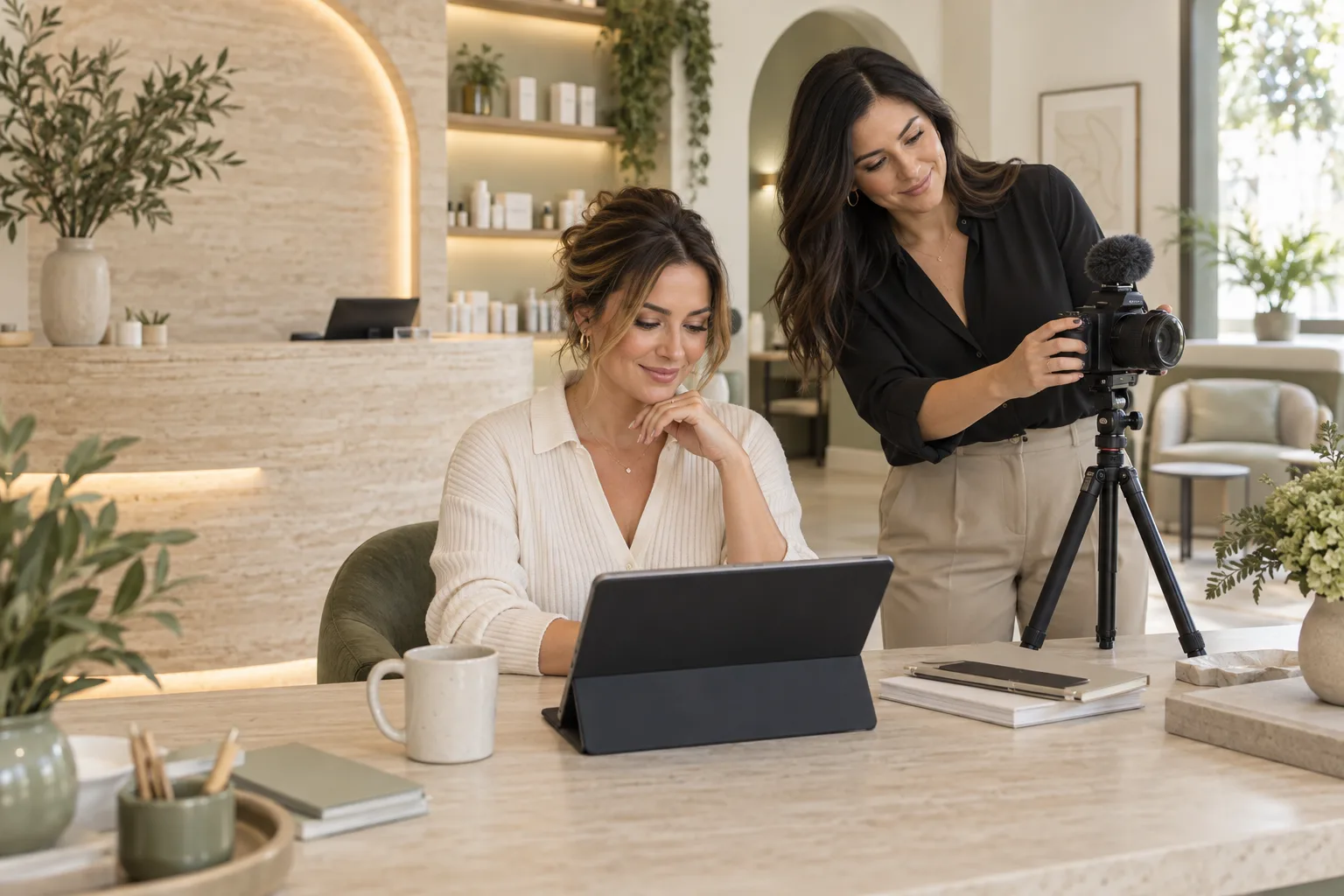
Four original medspa memes you can use as inspiration, with short captions below each. Pair the humor with useful information about your practice and a clear consultation link.
What you’ll take away
- Use humor about everyday situations, not a person's face, body, age, or insecurities.
- Connect each meme to a useful explanation and one relevant next step.
- Use AI to develop and adapt creative; keep treatment guidance and claims under qualified human review.
- Measure attended consultations and suitable next steps, not just views.
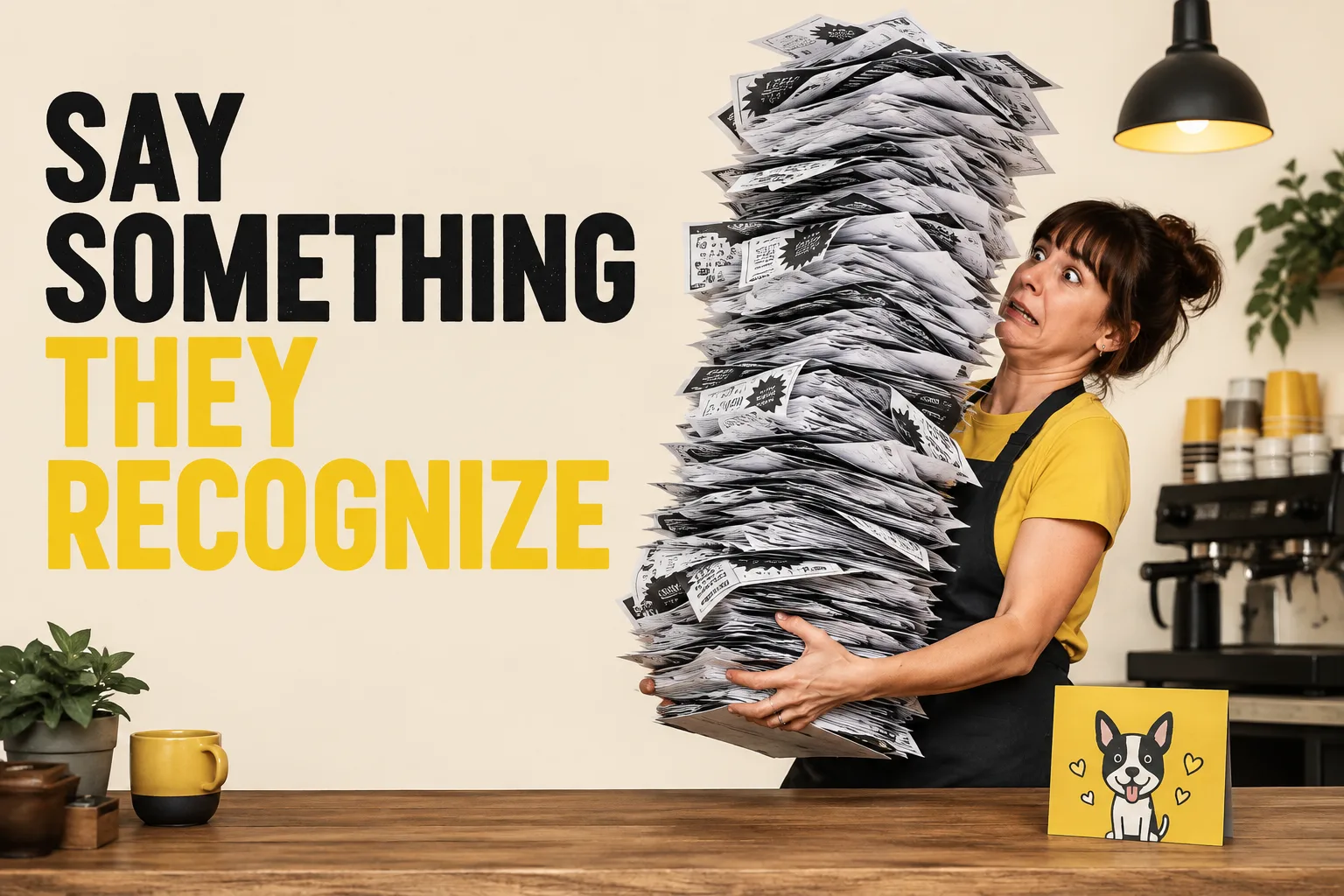
1. Bring the questions

Suggested caption — The notes-app list is welcome. See what to expect at your first consultation.
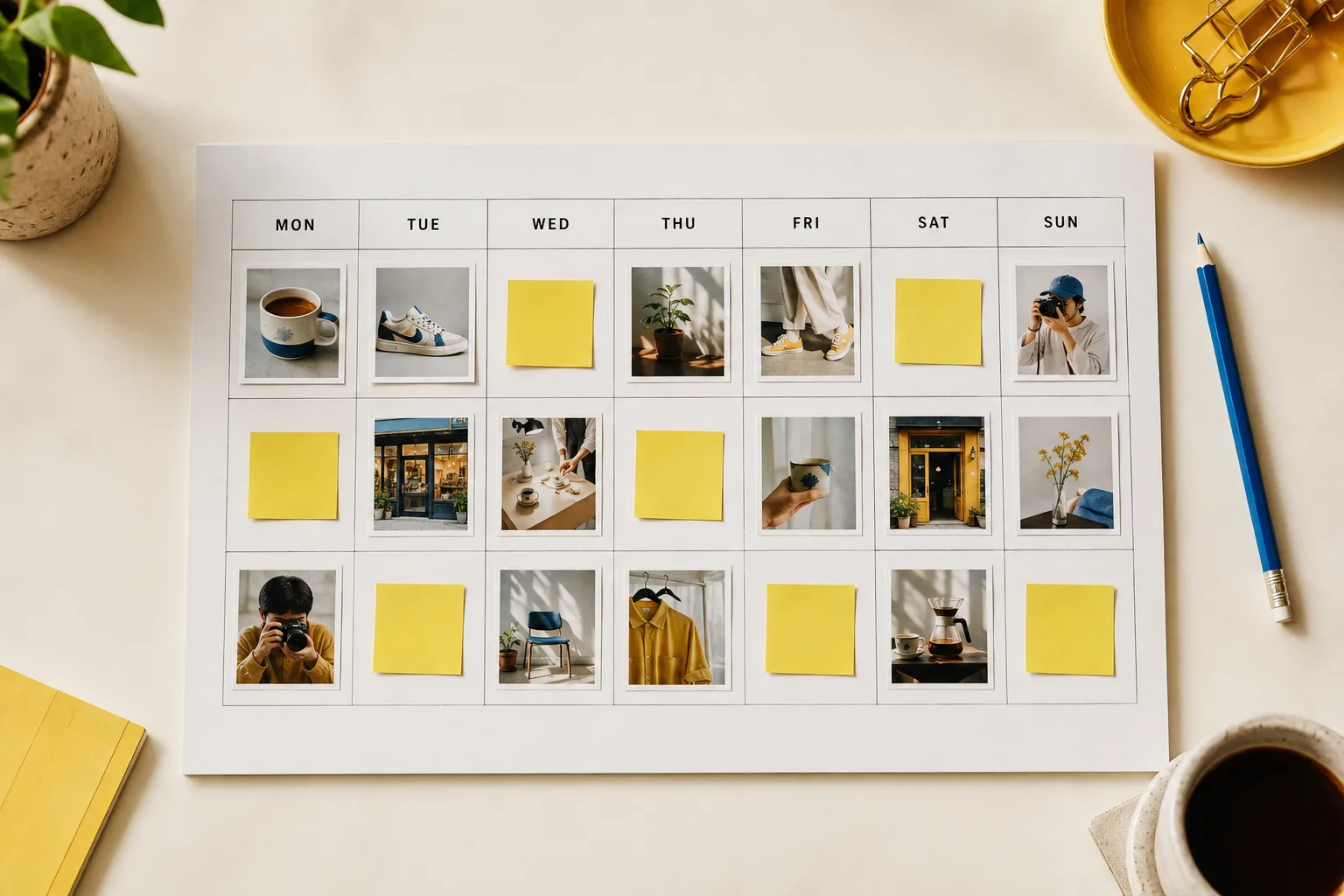
2. The calendar negotiation
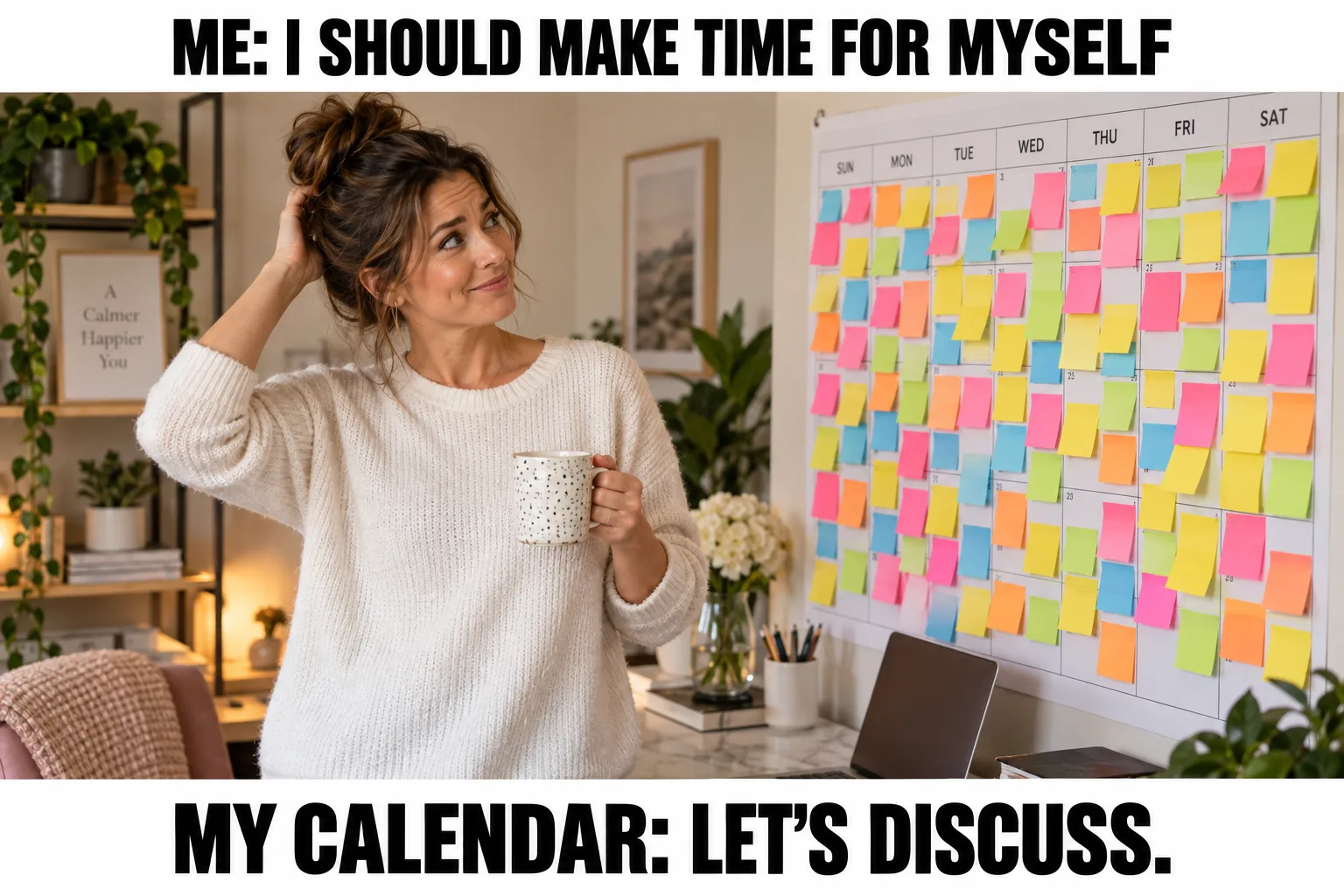
Suggested caption — Finding the time is its own task. Our appointment page explains the schedule and how to request a visit.
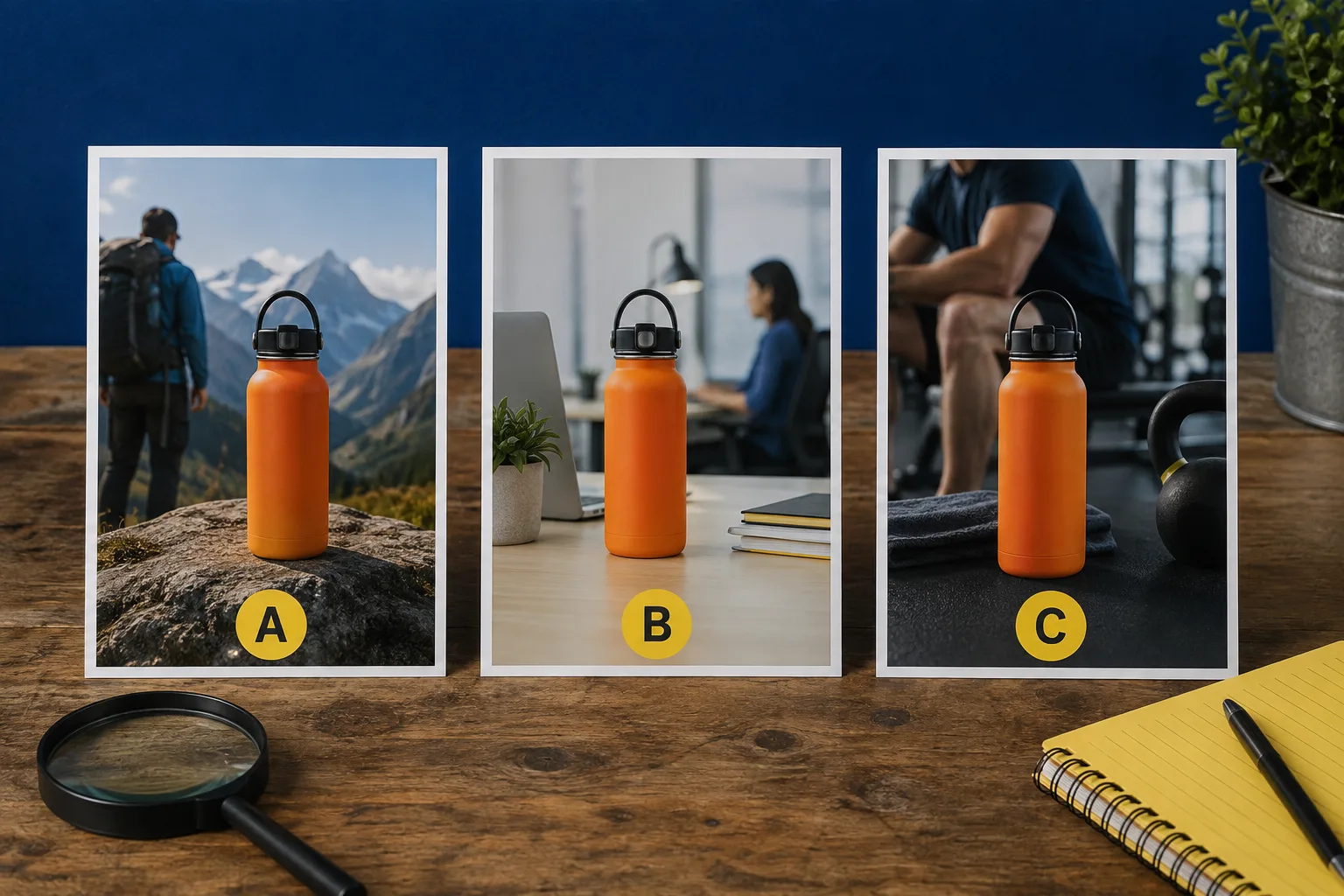
3. The saved-post collection
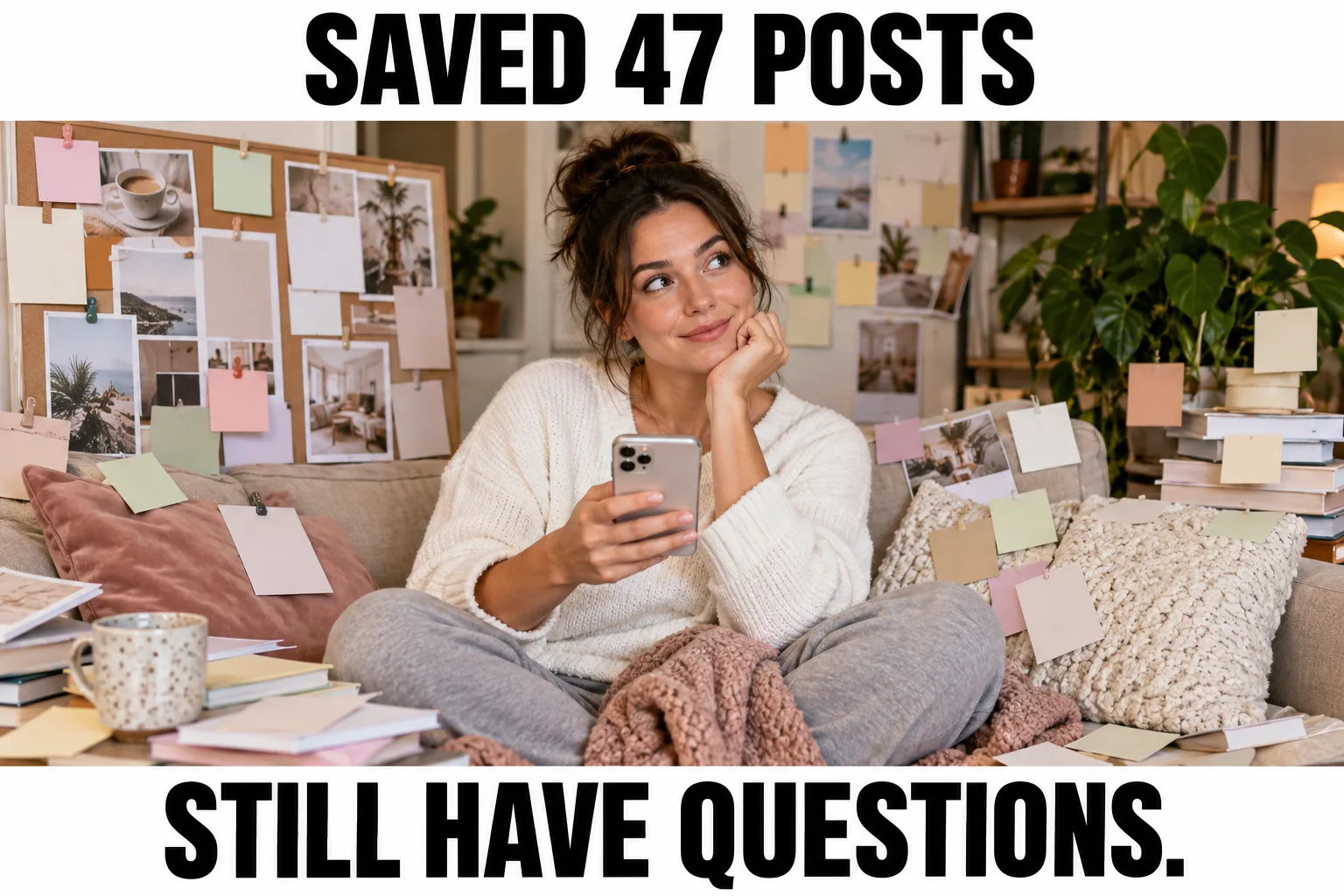
Suggested caption — Saved the inspiration. Still wondering where to start? Bring your questions to a consultation.
4. A moment on silent
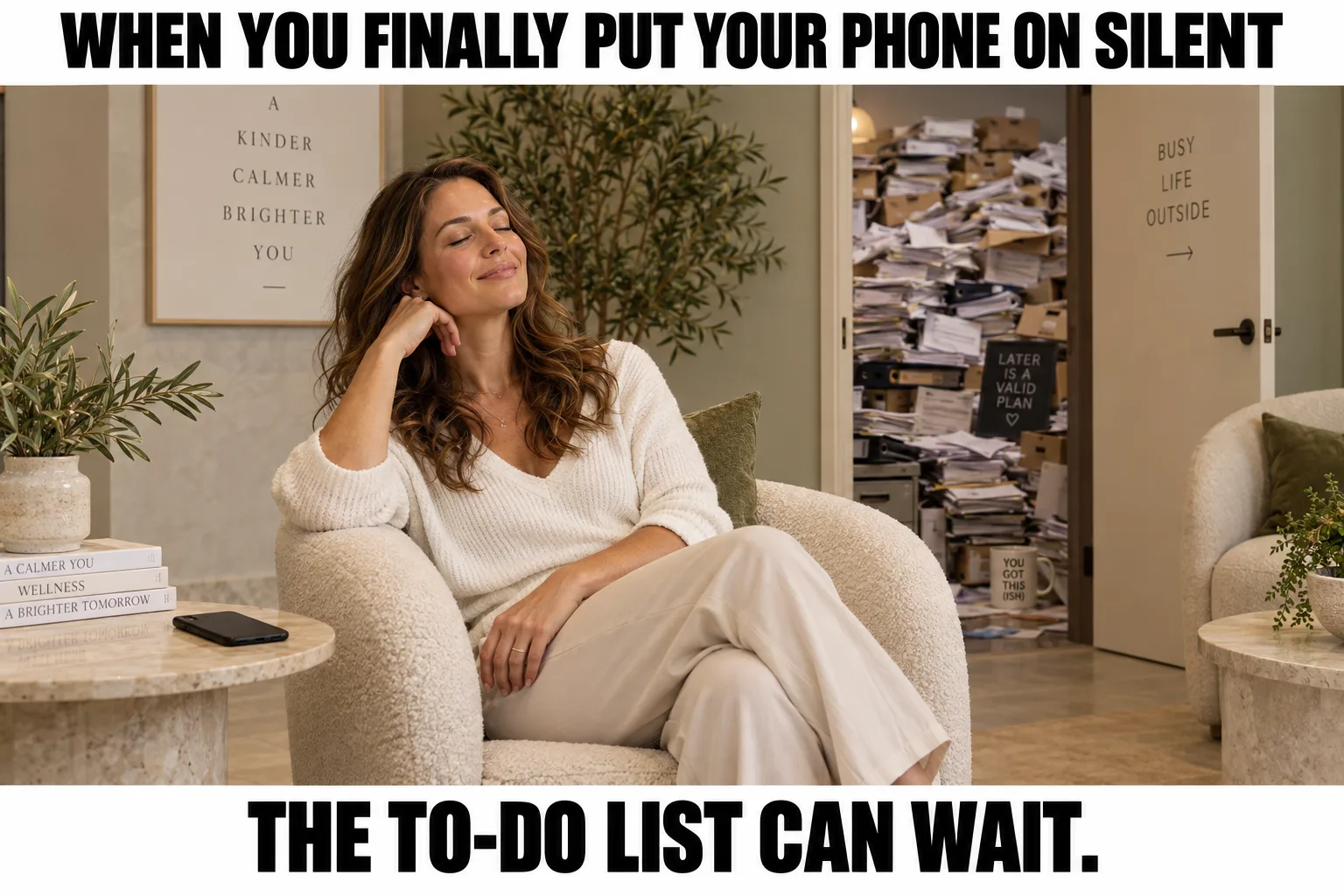
Suggested caption — A pause in a busy day. Meet the team and take a look around before your first visit.
5. Follow the meme with a useful answer
The idea — Show your real consultation process: arrival, meeting the provider, discussing questions, and deciding next steps. Use actual team and space photos.
Why it helps — People who enjoy the joke should be able to find the practical answer.
Make it your own — Link the post to accurate first-visit information and have clinical wording reviewed.
6. Make the content sound like your practice
The idea — Choose the caption that fits your voice, add your real location and consultation link, and keep the next step clear.
Why it helps — The post should feel consistent with the experience people will have when they arrive.
Make it your own — Use the copyable brief below when you want more variations. Keep patient data out of general-purpose creative tools.
7. Build a small campaign around the strongest meme
The idea — Publish the meme, follow with a short consultation walkthrough, then introduce a real team member on video. Point all three to the same useful page.
Why it helps — The sequence moves from recognition to information to a person the audience can meet.
Make it your own — Adapt the caption to each format and review the final posts before publishing.
8. Build a consultation page that answers the next question
The idea — A useful destination names the practice and location, explains the appointment, identifies the relevant provider or role, states any consultation fee and policy accurately, and gives a clear way to request or book. If someone clicks ‘What happens at a first visit?’ the page should answer that before asking for information.
Why it helps — A generic homepage can break the connection between a specific post and the next action. A clear destination also helps people determine whether the practice is relevant to their location and needs. Fewer unsuitable inquiries can be more useful than a larger pile of vague leads.
Make it your own — Check the mobile page and the full booking journey. Confirm what happens after submission, who replies, and whether it creates a confirmed appointment or only a request. Collect only what the approved booking workflow requires; do not invite people to post clinical details in comments or send them to a marketing inbox.
9. Run a four-week plan your team can maintain
The idea — Week one, make the first visit familiar: publish the question-list meme, a consultation walkthrough, and a real team introduction. Week two, answer practical questions: use the calendar meme, explain scheduling, and show how to find the practice. Week three, help people assess fit: publish a provider-reviewed explanation of one service, a general questions carousel, and a clear consultation invitation. Week four, learn and refine: answer a recurring non-sensitive question, refresh the strongest relevant concept, and review what happened after the click.
Why it helps — This is a twelve-post starting plan with a purpose for each week, not a mandatory posting frequency. It gives a small team enough repetition to see what people respond to while leaving room for real questions and normal operations.
Make it your own — Batch the fictional creative and general captions in one session, then schedule human review before publication. Capture real team and space footage separately. If twelve posts exceed capacity, publish one recognition post and one useful explanation per week. A smaller accurate plan is better than a schedule the practice cannot finish.
10. Measure the path to an attended consultation
The idea — Track post or campaign, relevant page visits, appointment requests, bookings, attended consultations, and appropriate follow-up outcomes in your approved systems. Review lead quality and front-desk workload alongside volume. A post that draws a large audience outside your service area may contribute less than a smaller local audience asking informed questions.
Why it helps — It separates attention from business outcomes. For a purely illustrative example, imagine one creative brings 1,000 visits and two attended consultations while another brings 150 visits and five. That does not establish causation or a winner by itself, but it shows why visits alone are incomplete. Also consider spend, timing, attribution, suitability, and capacity.
Make it your own — Use neutral campaign labels such as ‘consultation-guide-a’; do not put names, health concerns, treatments sought, or other sensitive details in tracking links. Have the practice's privacy lead review measurement before adding advertising pixels or conversion events around appointment flows. An optional ‘How did you hear about us?’ question can add context, but it is not perfect attribution.
11. Review the creative like a healthcare business
The idea — Before publication, check the actual claim a reasonable viewer could take away from the image and caption together. The FTC's health-products guidance emphasizes truthful, non-misleading claims supported by appropriate evidence; a testimonial is not a shortcut around that standard. AmSpa highlights patient consent and the scope of permission for marketing images. See the source guidance below.
Why it helps — A friendly tone does not remove the responsibility attached to medical marketing. A fictional meme can be a useful creative device; presenting an invented transformation as evidence can mislead. The right review protects the practice's credibility while letting the content retain a human voice.
Make it your own — Have the responsible clinician review clinical statements and your compliance adviser check applicable local requirements. Obtain appropriate authorization before using identifiable patient material. Keep results genuine and contextualized, disclose commercial creator relationships as required, and review each paid platform's current rules before boosting an organic post. The practical editorial rule is simple: joke about the situation, explain the experience honestly, and let the qualified consultation address the individual.
Put it into practice
Your first campaign: ‘Bring the questions’
Pick one of the memes above. Add a caption in your own voice and link to an accurate consultation page. Follow with a real-team video answering one common question. Review relevant inquiries and attended consultations before making more variations.
Common questions
Can a premium medspa use memes without cheapening its brand?
Yes, if the tone fits. A restrained visual and an understated line about a familiar situation can sit beside polished educational content. Avoid forcing a loud trend into a practice whose real experience is quiet and personal.
What should medspas use AI content tools for?
Use them for idea development, draft captions, original conceptual visuals, and adapting an approved idea across formats. Keep clinical accuracy, patient permissions, brand judgment, and publishing approval with the responsible people.
Can AI-generated before-and-after images promote a treatment?
Do not present generated transformations as real treatment evidence. They cannot document a patient's result. Use truthful, appropriately authorized material and have the practice review the full claim and context before publication.
Should we boost our best-performing meme?
An organic engagement result is only a starting signal. Check local relevance, the destination, current advertising rules, and the objective. Test a limited, defined campaign only when the practice can evaluate outcomes and handle responses.
How quickly will this grow bookings?
There is no reliable universal timeline or promised lift. Results depend on local demand, the offer, trust, distribution, the booking experience, and follow-up. Start with a small connected campaign and judge meaningful outcomes rather than assuming more posts will create more patients.
Turn the brief into your own creative
Bring your approved practice details and one audience moment into Memes AI Studio. Build a draft, refine it to your brand, and have your team review it before it goes live.
Your starter brief
Replace the brackets with your own details.
Create a medspa social content set for [practice] in [city]. Audience situation: adults researching a first consultation who have many questions. Voice: [warm/understated/playful]. Approved public facts: [provider roles, actual consultation process, fee if applicable, booking URL]. Produce one original meme, a five-slide educational carousel, a three-frame Story, and a short script for our real team. For each, give the visual brief, exact caption, one next step, and statements requiring clinician review. Keep humor about questions and scheduling, not appearance or insecurity. Do not invent treatment outcomes, testimonials, before-and-after images, staff credentials, prices, or availability. Use fictional people for concept imagery and label it accordingly. Do not request patient data.