
Meme marketing
Meme Marketing: A Practical Guide for Brands
By Memes.ai
Updated September 6, 2026 · 6 min read
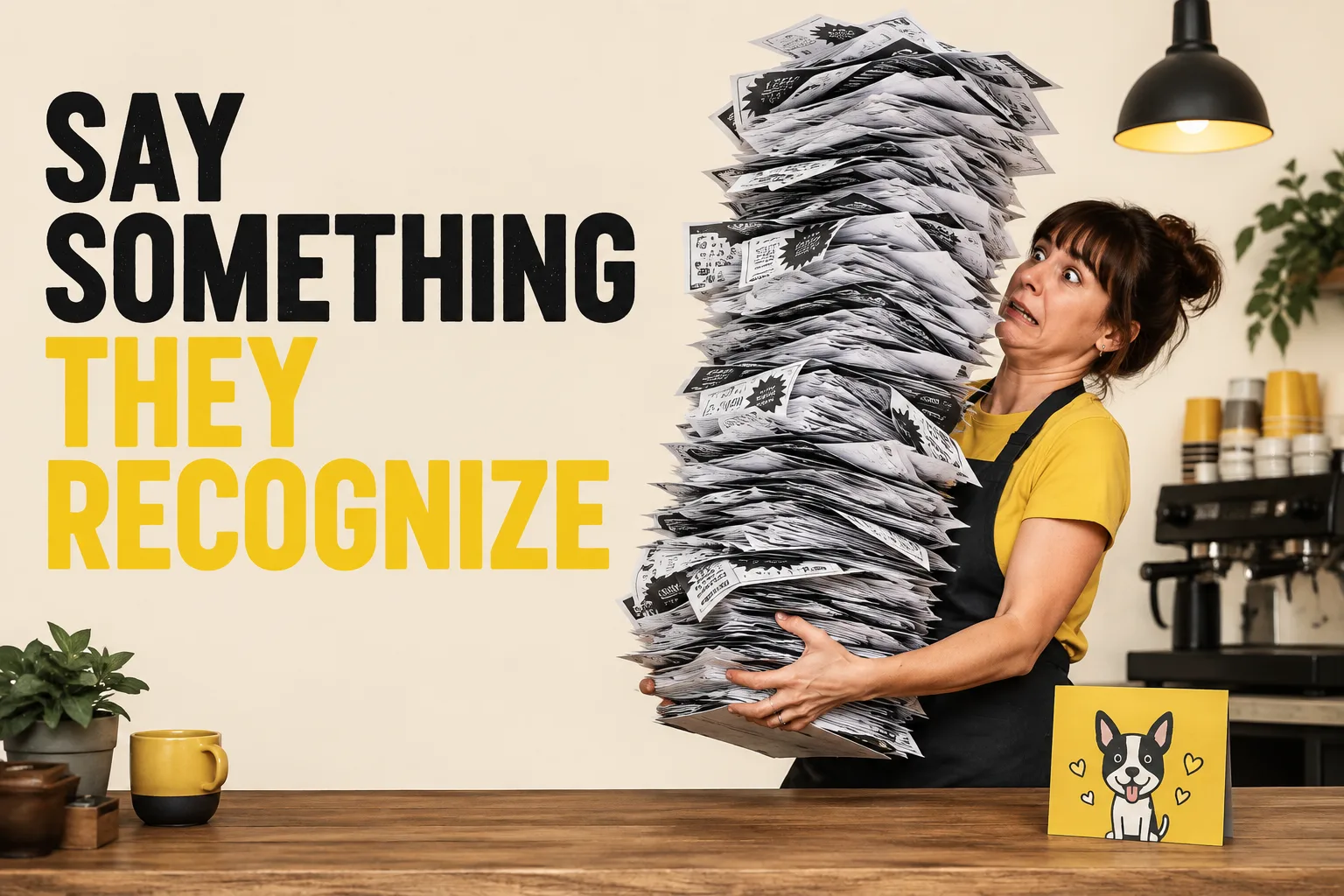
Meme marketing uses a familiar joke structure to express something your audience already recognizes. For a business, the useful part is the connection between that moment and a real offer. A funny post about being tired could belong to anyone. A coffee shop joking about the first meeting after a long commute has a specific setting, customer, and product. This guide shows how to build that connection without forcing a logo into an unrelated trend.
What you’ll take away
- Start with a customer moment, then choose a format.
- Keep the offer connected to the punchline.
- Separate entertainment metrics from business outcomes.
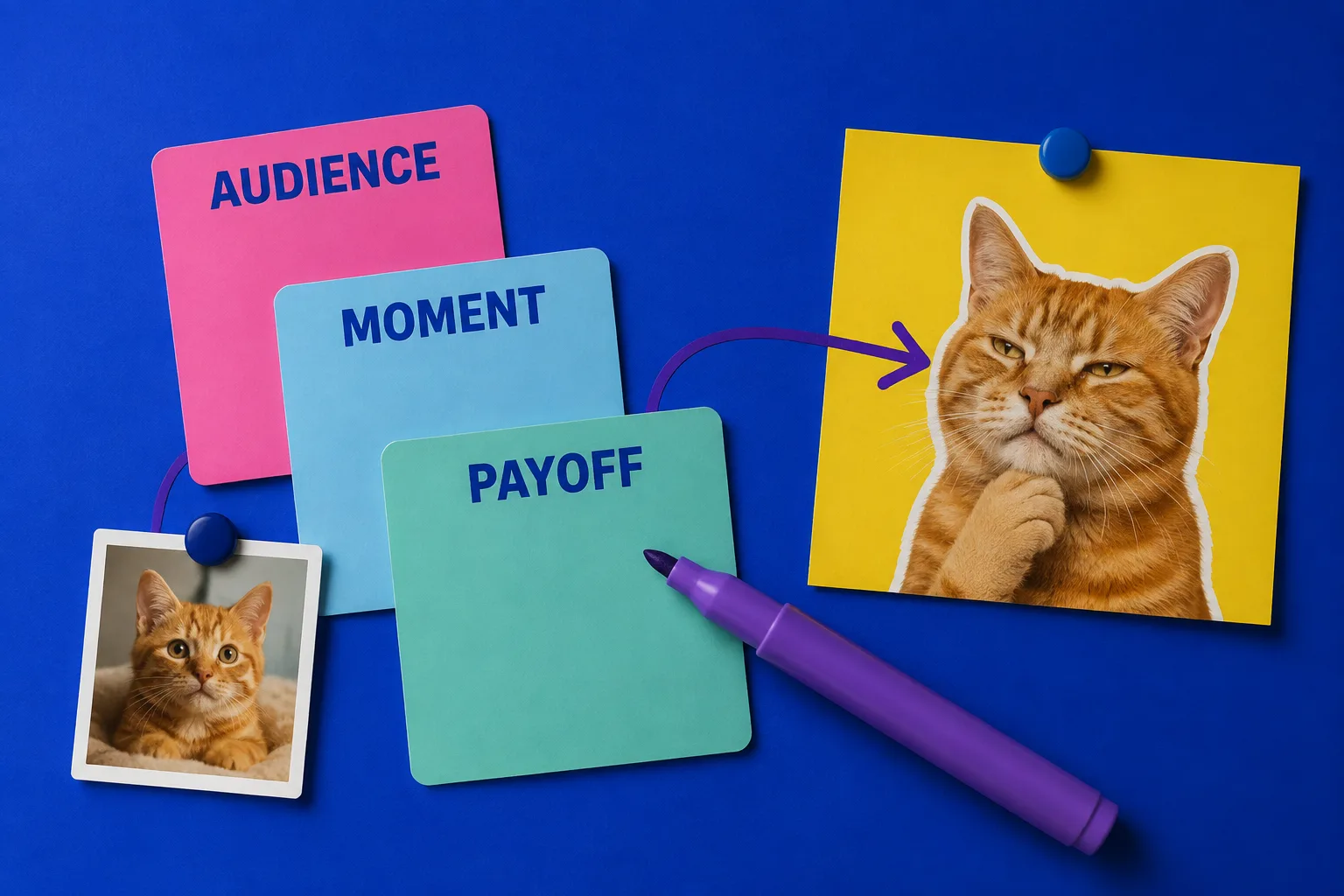
1. Find a moment your customer would describe unprompted
The idea — Write down the small frustrations, rituals, and contradictions around using your product. A meal-prep customer might spend Sunday planning an ideal week and order takeout by Tuesday. That tension is more useful than a broad demographic label such as busy professionals.
Why it helps — Recognition gives the audience a reason to stop before you ask them to care about a product. It also provides a repeatable source of ideas after a particular trend disappears.
Make it your own — Collect five phrases from genuine conversations or support questions, remove private details, and turn one into a setup. Do not manufacture a customer quote and present it as testimony.
2. Choose a format that carries the contrast
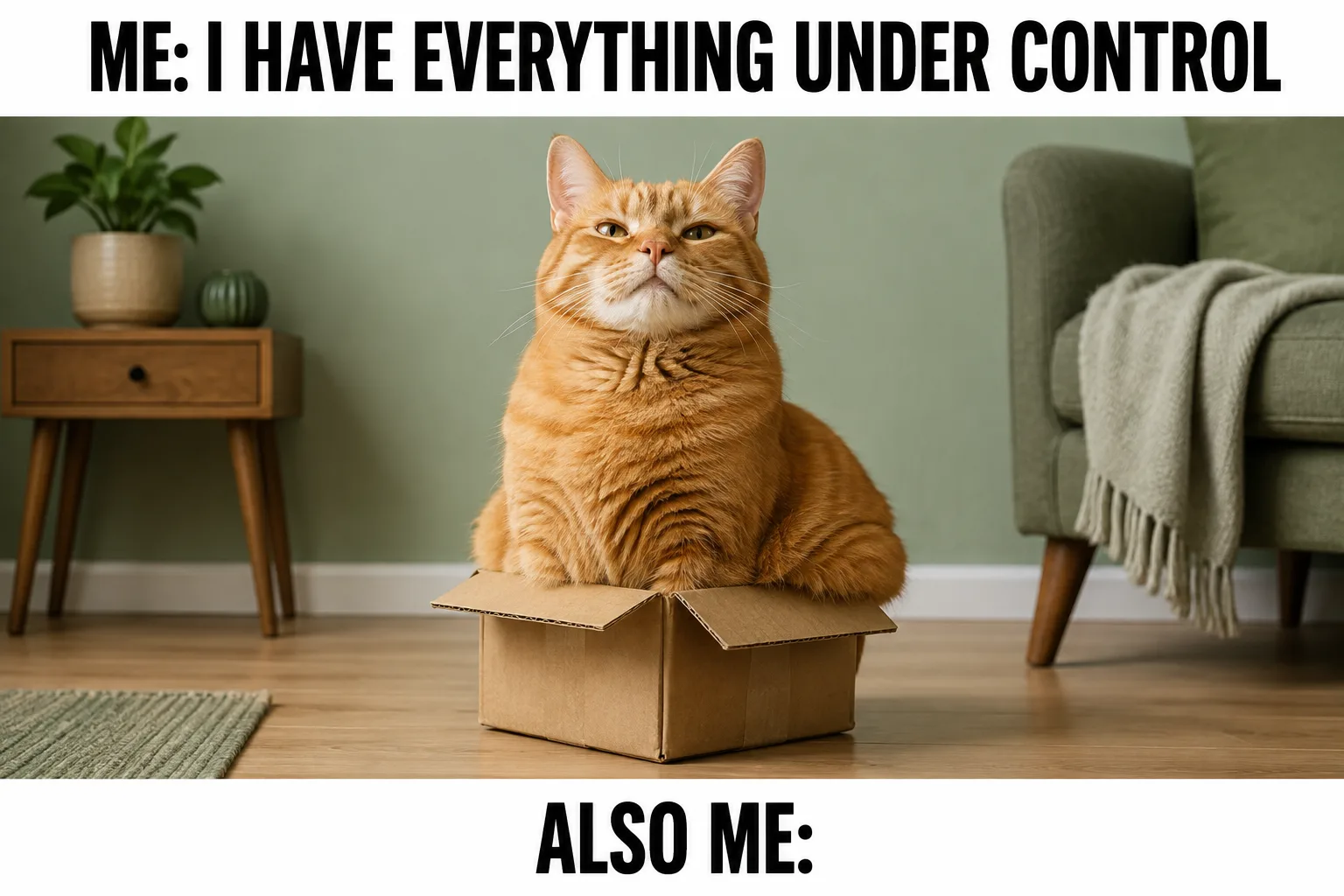
The idea — Use expectation versus reality for a mismatch, a two-button choice for a dilemma, and a reaction image for an exaggerated feeling. A tiny box supporting a very confident cat communicates overconfidence before anyone reads the caption.
Why it helps — The image and text should do different jobs. If both explain the same thing at length, the joke becomes a presentation slide. The image can establish the feeling while the text names the specific situation.
Make it your own — Write the setup in one line and the payoff in another. Read them without your logo. If the audience still recognizes the situation, you have a usable foundation.
3. Make the product a credible part of the resolution
The idea — A restaurant can resolve dinner indecision by showing a signature dish and a real ordering path. A scheduling product can show the relief of having tomorrow's post ready. Neither needs to pretend that the product solves every problem in a person's life.
Why it helps — The offer feels more natural when it belongs to the moment. Simply adding a discount badge to a popular meme usually leaves the reader to make the connection themselves.
Make it your own — Finish the concept with one useful next step: see today's menu, try the workflow, or explore the collection. Keep availability and product claims grounded in what you actually provide.
4. Adapt the tone to the relationship
The idea — A neighborhood cafe can joke like a regular. A B2B service might use dry humor about approvals. In both cases, laugh with the customer about a shared situation rather than making the customer the target.
Why it helps — Humor carries social context. A joke that feels friendly inside a team can sound contemptuous from a brand, especially when the audience is worried about an expensive or sensitive decision.
Make it your own — Show the draft to someone who understands the customer but did not write it. Ask what the joke implies about the buyer, not just whether they think it is funny.
5. Produce original assets and readable variants
The idea — Use your own photography, original illustrations, or assets you have permission to use. Create a feed version with short text and a version for a taller placement where the important content stays clear of interface overlays.
Why it helps — A format can be recognizable without reproducing a famous photo, character, or another advertiser's work. Readability also matters more than including every supporting claim inside the image.
Make it your own — Preview the image on an actual phone. Keep the face, product, and punchline visible. Put secondary details in the caption or destination page instead of reducing the font until it fits.
6. Decide what success means before posting
The idea — For an organic joke, saves or relevant replies may be useful. For an ad, a click only matters if the destination and offer continue the same promise. Track downstream actions such as qualified inquiries or completed orders where you can.
Why it helps — A widely shared joke can reach people who will never buy. Conversely, a modest post about a specific problem can be useful to the right audience. These outcomes deserve different interpretations.
Make it your own — Record the audience moment, format, offer, and result for each test. Keep what you learned about the customer even when an individual creative does not perform.
Put it into practice
Build a three-concept starting set
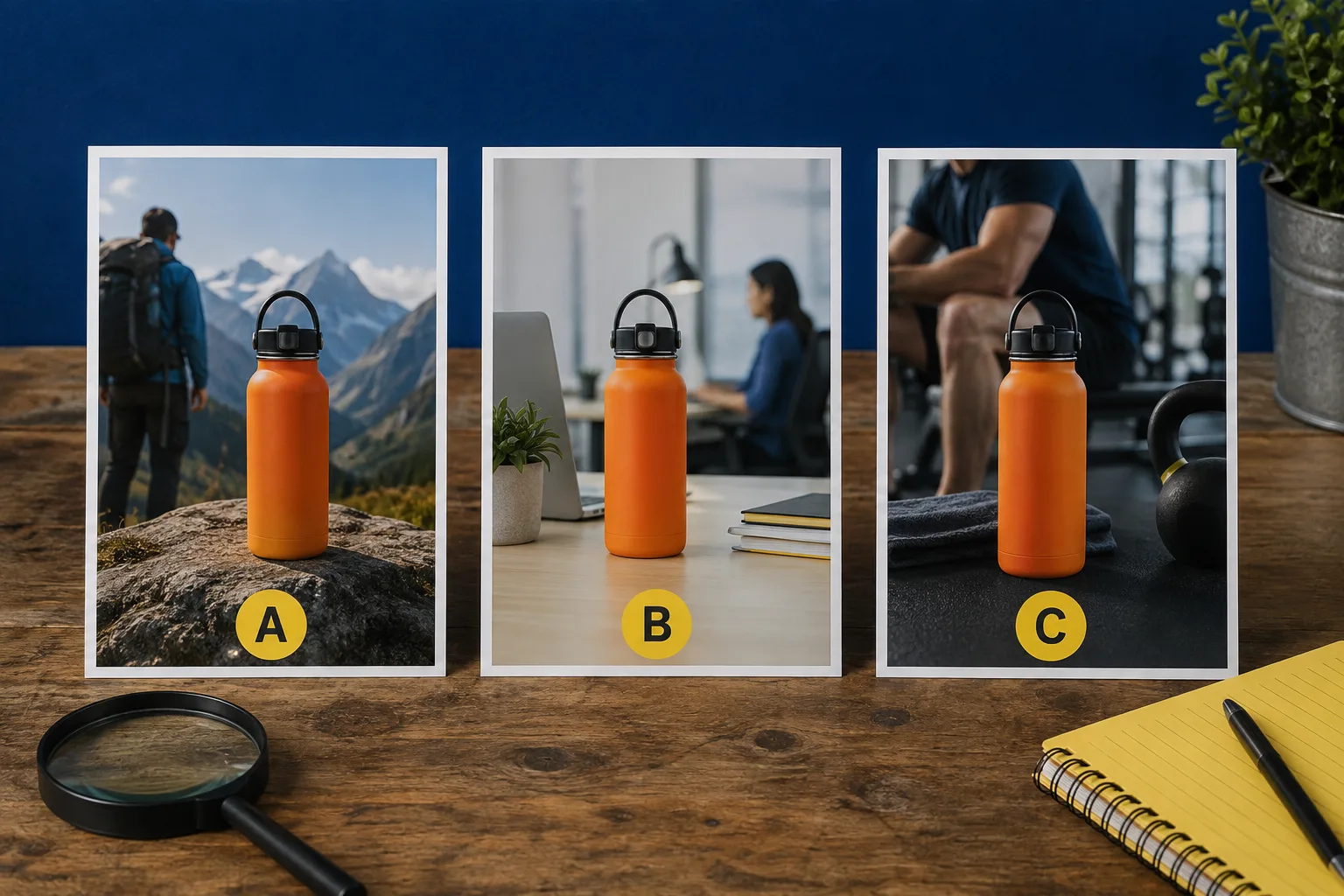
Choose one product and one audience moment. Write three different setups: the frustration before using it, the small relief while using it, and the habit people recognize afterward. Keep the offer and next step consistent. Make one image for each and ask a colleague to describe the intended customer from the creative alone. Revise anything that could advertise almost any business. You now have a focused set to test, not a calendar full of disconnected jokes.
Common questions
Does a business need to follow every meme trend?
No. An evergreen situation your customers recognize can be more useful than a trend that needs explanation. Use a trend only when its context, tone, and timing suit the brand.
Should a meme post always contain a sales pitch?
No. Some posts are for conversation or familiarity. If the objective is a sale or inquiry, make the product connection and next step clear without turning the entire image into a brochure.
How do I know whether the joke is too generic?
Replace your product with an unrelated one. If nothing about the setup or payoff changes, add a specific customer moment, use case, or product detail.
Turn the brief into your own creative
Use your website and the brief above to create a brand-specific starting concept in Studio, then review the joke and product claims before you publish.
Your starter brief
Replace the brackets with your own details.
Create three original meme ad concepts for [business and offer]. Audience: [specific customer]. Recognizable moment: [situation in their own words]. For each concept give a one-line setup, a short payoff, an original visual direction, and one relevant CTA. Tone: [warm/dry/playful]. Use only these verified product facts: [facts]. Avoid borrowed characters, fake testimonials, and guaranteed results.